Heavy-duty industrial applications demand equipment that can perform reliably under high loads, continuous operation, demanding working conditions and challenging environments. Whether you operate a manufacturing facility, construction project, oil and gas operation, warehouse, or industrial plant, choosing the right equipment can directly affect productivity, safety, maintenance costs and overall operational efficiency.
With many industrial equipment options available in the market, selecting the right solution should not be based on price alone. Businesses need to evaluate equipment specifications, operating conditions, durability, maintenance requirements and supplier support before making a purchasing decision.
This guide explains the key factors to consider when choosing industrial equipment for heavy-duty applications.
Heavy-duty industrial equipment refers to machinery, tools and equipment designed to handle demanding industrial tasks and operating conditions. These products are generally built for durability, high workloads and repeated use.
Depending on the industry, heavy-duty equipment may include:
The right equipment depends on the specific application and working environment.
The first step in selecting industrial equipment is understanding exactly how it will be used.
Ask important questions such as:
For example, equipment used in a manufacturing plant may have different requirements from equipment used on a construction site or in an oil and gas facility.
Clearly defining the application helps you avoid choosing equipment that is either unsuitable or unnecessarily expensive.
Heavy-duty applications often involve significant loads, pressure, or operating demands. Choosing equipment with insufficient capacity can result in poor performance, premature wear, or unexpected downtime.
Before purchasing, check specifications such as:
Always compare the manufacturer's specifications with the actual requirements of your application.
Durability is one of the most important factors when selecting equipment for heavy-duty industrial use.
Equipment may be exposed to vibration, dust, moisture, chemicals, high temperatures, mechanical stress and continuous operation. The construction materials and overall design should therefore be suitable for the working environment.
Look for equipment manufactured using appropriate materials and components that are designed for industrial applications.
A durable product may have a higher initial purchase price, but reliable equipment can potentially reduce replacement frequency and maintenance-related expenses over time.
The environment where equipment will be used can significantly affect its performance.
For industrial applications in Saudi Arabia, businesses may need to consider high ambient temperatures, dust, outdoor exposure and demanding industrial environments.
Before selecting equipment, determine whether it is suitable for the expected:
Equipment should be selected according to actual site conditions rather than general specifications alone.
Safety should always be a major consideration when purchasing industrial equipment.
Depending on the equipment type, important safety features may include:
Employees should also receive appropriate training before using industrial equipment.
Choosing equipment with suitable safety features can help businesses establish safer working environments and reduce operational risks.
Even high-quality industrial equipment requires proper maintenance. Before purchasing, understand how frequently the equipment needs inspection, servicing, lubrication, cleaning, or replacement parts.
Consider:
Equipment that is difficult to maintain can result in longer downtime and higher service costs.
The cheapest industrial equipment is not always the most economical option.
When comparing products, consider the total cost of ownership, including:
A slightly higher initial investment in reliable equipment may provide better long-term value if it performs consistently and requires less maintenance.
Selecting the right supplier is another important part of the purchasing process.
A reliable industrial supplier should be able to provide accurate product information and help businesses identify equipment that matches their requirements.
Before choosing a supplier, consider:
For large projects, it is helpful to provide the supplier with detailed technical specifications so they can recommend appropriate options.
Saudi Arabia has a diverse industrial sector covering manufacturing, construction, oil and gas, petrochemicals, infrastructure, utilities and other industrial operations. Each sector has different equipment requirements.
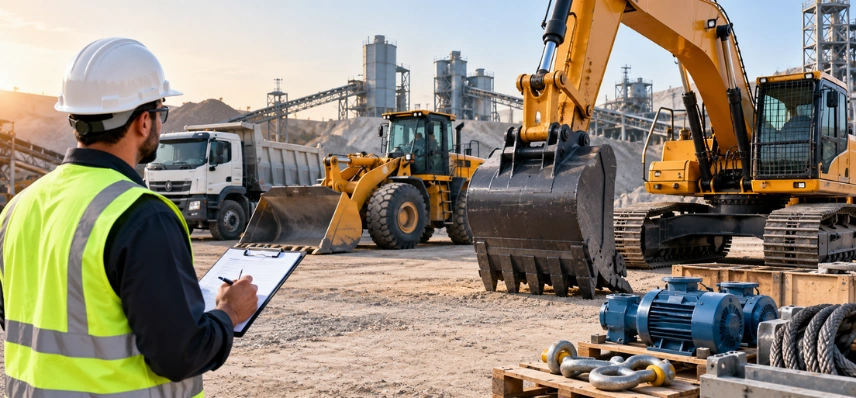
Factories, warehouses and construction sites need equipment that can handle high workloads, repeated use and demanding site conditions.
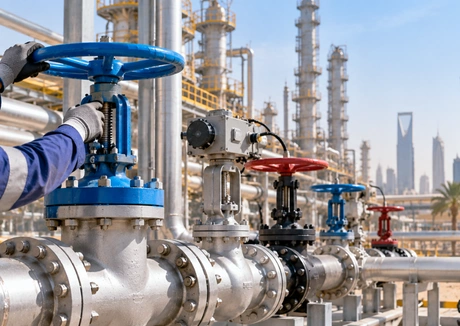
Oil and gas operations require durable equipment selected for the specific operating environment, workload, safety requirements and project specifications.
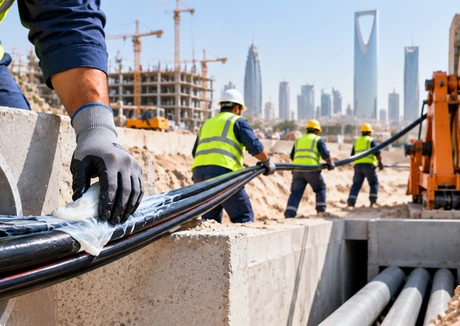
Infrastructure and utility projects depend on equipment that can perform reliably under continuous operation and challenging outdoor environments.
Working with an experienced industrial supply company can make the selection process easier by helping businesses compare suitable products and specifications.
Choosing industrial equipment for heavy-duty applications requires more than comparing prices. Businesses should evaluate application requirements, capacity, durability, operating conditions, safety, maintenance and total cost of ownership before making a decision.
The right equipment can support productivity, improve operational reliability and help reduce unnecessary downtime. Whether you are purchasing equipment for a factory, construction project, maintenance operation, or industrial facility, taking the time to evaluate your requirements can lead to a better long-term investment.
Looking for industrial equipment and supplies in Saudi Arabia? ARMC Group provides industrial supply solutions for businesses and industrial projects. Contact ARMC Group to discuss your equipment requirements and find suitable solutions for your application.