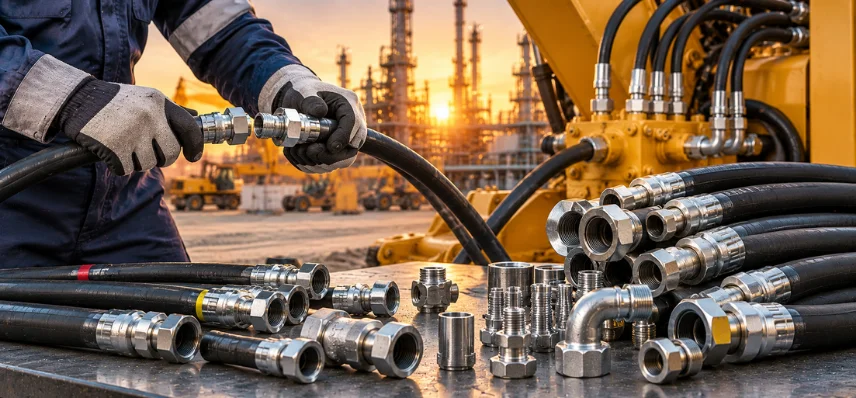
Hydraulic systems are used in many industries to power machines, equipment and heavy-duty operations. From construction equipment and manufacturing machinery to agricultural machines and industrial systems, hydraulic components help transfer power through pressurized fluid.
The hydraulic hose and fittings may look like small parts of the system, but they play an important role in maintaining proper fluid flow and preventing leaks. Choosing the wrong hose or fitting can result in pressure loss, leakage, equipment downtime and premature replacement.
So, how do you choose the right hydraulic hose and fittings?
The answer depends on several factors, including pressure, temperature, fluid type, hose size, application, and connection type.
A hydraulic hose is a flexible tube designed to carry hydraulic fluid between different components of a hydraulic system. It allows movement between machinery components while maintaining the required fluid flow and pressure.
Hydraulic hoses are commonly made with layers that provide flexibility, strength and protection. The exact construction depends on the pressure and application for which the hose is designed.
They are commonly used in:
Hydraulic fittings are used to connect hydraulic hoses to pumps, cylinders, valves, pipes and other components.
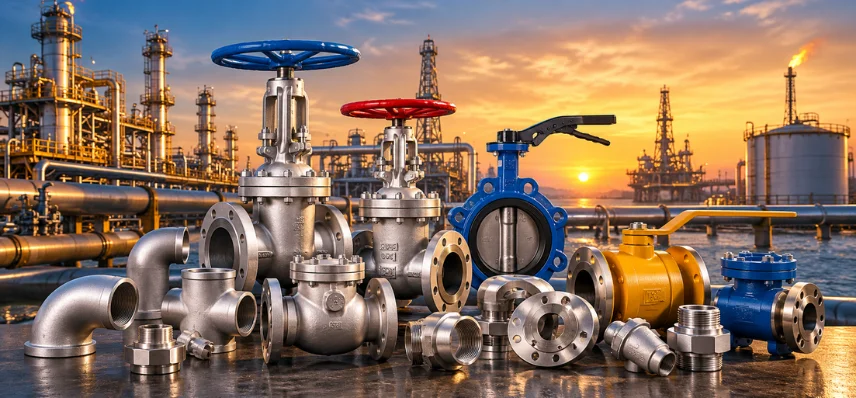
They are available in different shapes and connection types, including elbows, adapters, tees, couplings and other specialized fittings.
The fitting needs to match both the hose and the equipment connection. An incorrect fitting can cause leakage or create problems during installation and operation.
One of the first things to check when selecting a hydraulic hose is the working pressure.
Hydraulic systems can operate at high pressures, so the hose and fittings must be capable of handling the pressure generated by the system.
Check the manufacturer's rated working pressure and compare it with the operating pressure of your equipment.
Do not select a hose based only on its appearance or size. A hose that is not rated for the required pressure can fail during operation.
Temperature can affect hydraulic hose performance.
The hydraulic fluid and the surrounding environment may expose the hose to high temperatures. In other applications, the system may operate in cold conditions.
Before purchasing a hose, check its recommended operating temperature range. Make sure the hose is suitable for both the fluid temperature and the surrounding working environment.
Not every hydraulic hose is suitable for every type of hydraulic fluid.
Different fluids can interact differently with hose materials. Therefore, it is important to identify the fluid being used in the system before selecting a hose.
Check the manufacturer's compatibility information to make sure the hose material is suitable for the hydraulic fluid.
This can help reduce problems such as swelling, cracking, deterioration and leakage.
Hose size directly affects fluid flow.
A hose that is too small can restrict flow and increase pressure loss. A hose that is too large may not fit correctly within the available space.
When selecting the hose, consider the required flow rate, inside diameter, connection size and equipment specifications.
The hose should also have enough flexibility for the movement required by the machinery.
The fitting must match the hose and the equipment connection.
Hydraulic fittings are available in different sizes, shapes, threads and connection designs. Common options include straight fittings, elbows, tees, adapters and quick couplings.
Before ordering, check:
Using the wrong fitting can result in leakage and may make installation difficult.
Where will the hydraulic hose be used?
A hose used on construction equipment may be exposed to dirt, vibration, abrasion, heat, and outdoor conditions. A hose used inside an industrial facility may have different requirements.
Consider factors such as:
Choosing a hose designed for the actual environment can improve service life.
Hydraulic hoses often need to bend and move with machinery.
However, every hose has a minimum bend radius. Bending the hose beyond its recommended limit can damage its internal structure and reduce its service life.
During installation, avoid sharp bends, twisting, and unnecessary tension. Use the correct hose length and routing to allow the equipment to move naturally.
Hydraulic hoses and fittings are available in different materials.
The right material depends on pressure, fluid compatibility, temperature, corrosion conditions and the application.
For example, some applications may require corrosion-resistant fittings, while heavy-duty hydraulic systems may require components designed for higher pressure.
Always check the manufacturer's specifications before selecting the material.
Hydraulic hoses and fittings are widely used in industries such as:
They are commonly found in excavators, loaders, cranes, forklifts, hydraulic presses, lifting equipment and many other machines.
Selecting the right product is easier when you work with a reliable hydraulic hose and fittings supplier.
A knowledgeable supplier can help you identify suitable hose sizes, pressure ratings, fitting types, connection requirements and materials based on your application.
For businesses in Saudi Arabia, working with an experienced industrial supplier can also make it easier to source hydraulic products for construction, manufacturing, oil and gas, and other industrial projects.
Select hoses and fittings that are compatible with the hydraulic fluid, equipment, pressure requirements and operating conditions.
The correct pressure rating helps ensure that hydraulic hoses and fittings can handle the operating pressure of the equipment.
Access to different hose sizes, fitting types and connection options makes it easier to find products suitable for different hydraulic applications.
Technical product information can help customers understand hose specifications, fitting requirements, compatibility and operating conditions.
A knowledgeable supplier can help identify suitable hydraulic components based on the machinery, working environment and application.
Reliable product availability can help businesses source replacement hoses and fittings when required and reduce unnecessary equipment downtime.
Dependable delivery helps businesses receive hydraulic products when they are needed for installation, maintenance and equipment operations.
Experience across construction, manufacturing, oil and gas, agriculture and industrial applications helps suppliers understand different hydraulic requirements.
Choosing the right hydraulic hose and fittings requires careful consideration of pressure, temperature, fluid compatibility, size, connection type, flexibility, material, and working environment.
Do not select a hose or fitting based only on price or appearance. Always check the technical requirements of your hydraulic system and confirm that the products are suitable for the application.
ARMC Group supplies industrial products for different applications and project requirements in Saudi Arabia. If you need hydraulic hoses and fittings, selecting the right specifications and working with a dependable industrial supplier can help you find products suited to your equipment and operating conditions.