Industrial piping systems often operate under high pressure, making the right fittings an important part of a safe and reliable setup. A fitting may look like a small component, but it plays a major role in connecting pipes, changing flow direction, joining different pipe sizes and maintaining a secure piping system.
Choosing the wrong fitting for a high-pressure application can result in leaks, pressure loss, equipment damage, or unexpected maintenance. This is why businesses should consider more than just size and price when selecting industrial fittings for high-pressure applications.
In this guide, we will look at the key factors to consider when choosing the right fittings for demanding industrial systems.
Industrial fittings are components used to connect, join, redirect, or modify piping systems. They are available in different shapes, sizes, materials and connection types to meet different industrial requirements.
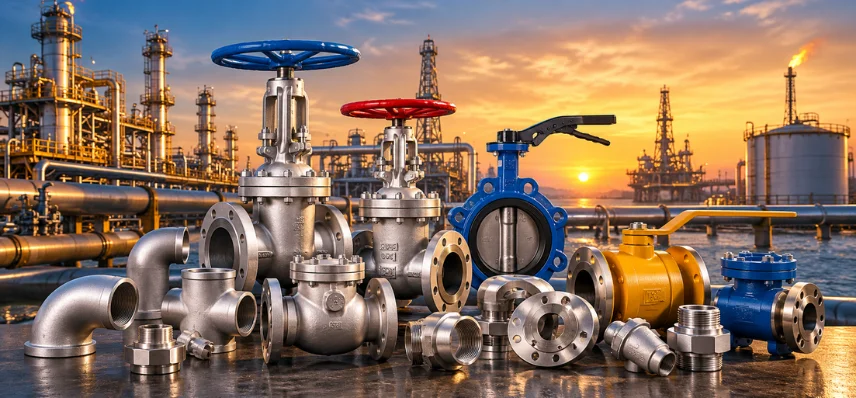
Some commonly used industrial fittings include:
Each fitting has a specific purpose. For example, an elbow changes the direction of a pipeline, while a reducer connects pipes with different diameters.
When these components are used in high-pressure systems, their design, material, connection method and pressure rating become especially important.
High-pressure pipelines place greater stress on fittings and connections. If a fitting is not suitable for the working conditions, it may fail or develop leakage over time.
The right fitting can help maintain a secure connection and support the overall performance of the piping system.
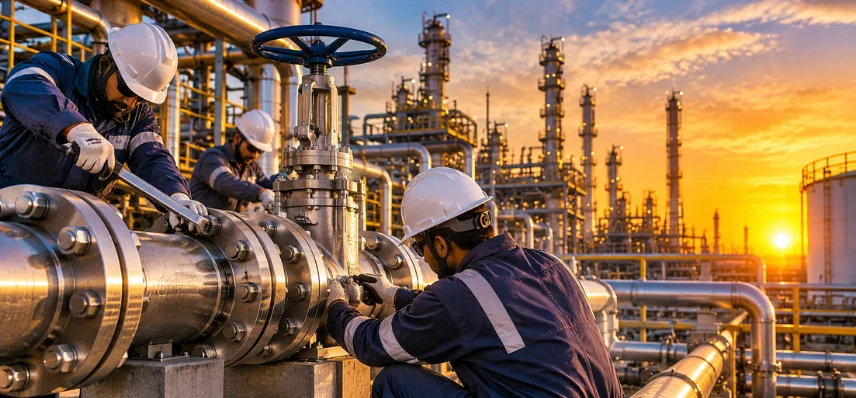
Industries such as oil and gas, petrochemicals, manufacturing, construction, water treatment and power generation may use high-pressure piping systems. Each application can have different requirements, so fittings should be selected according to the actual operating conditions.
The first factor to consider is the pressure rating of the fitting.
Every high-pressure piping system has a specific operating pressure. The selected fitting should be rated to handle the expected pressure of the application.
It is also important to consider pressure changes and possible pressure surges within the system. Selecting a fitting simply because it matches the pipe size is not enough.
Always check the manufacturer's specifications and pressure rating before installation.
Material selection is another important factor.
Industrial fittings are available in materials such as carbon steel, stainless steel, alloy steel, brass and other specialized materials. The right option depends on the application.
For example, stainless steel may be preferred in applications where corrosion resistance is important, while carbon steel may be suitable for certain heavy-duty systems.
The material should be compatible with the fluid, pressure, temperature and surrounding environment.
High-pressure systems may also operate at high or low temperatures. Temperature can affect the strength and performance of a fitting.
Before purchasing a fitting, check the temperature range specified by the manufacturer. The fitting should be suitable for the highest and lowest temperatures expected during operation.
This is particularly important in oil and gas, chemical processing, steam and other industrial applications.
Different applications require different fitting designs.
Elbows are used when the direction of a pipe needs to change.
Tees allow one pipeline to branch into two directions.
Reducers connect pipes with different diameters.
Couplings are commonly used to join pipes.
Flanges provide detachable connections between pipes, valves, pumps and other equipment.
Choosing the correct fitting type helps create a piping system that matches the layout and operating requirements of the project.
The connection method also matters in high-pressure applications.
Common connection types include threaded, welded, flanged and other specialized connections. The best option depends on the pipe material, pressure, temperature, application and maintenance requirements.
For high-pressure systems, the connection needs to provide a secure and reliable joint. Always make sure the fitting and pipe connection are compatible.
Industrial piping systems may be exposed to moisture, chemicals, salt, gases and other corrosive substances.
Corrosion can weaken fittings and reduce their service life. If the system operates in a harsh environment, selecting a material with suitable corrosion resistance is important.
This is especially relevant for industrial facilities located in coastal areas or environments where chemicals and moisture are present.
Correct sizing is essential for proper flow and installation.
A fitting that is too small or too large for the pipeline can create installation problems and affect system performance. Before ordering, check the pipe diameter, wall thickness, connection size and fitting dimensions.
For projects involving different pipe sizes, reducers and other transition fittings may be required.
Even when the correct specifications are selected, product quality matters.
High-pressure applications require components that are manufactured according to suitable industry requirements and supplied with accurate specifications.
Working with a reliable industrial fittings supplier can make it easier to select the right products and obtain the required sizes and materials for a project.
High-pressure fittings are used across many industries, including:
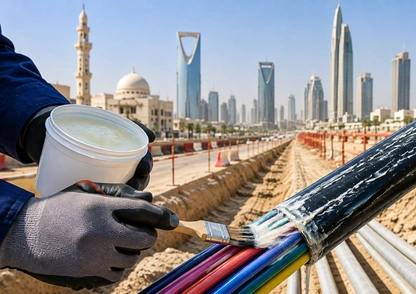
In Saudi Arabia, these fittings are especially important for projects involving oil and gas, petrochemicals, construction, manufacturing and other industrial operations.
Selecting the right fitting requires careful consideration of the operating conditions and technical requirements of the piping system.
A reliable supplier can help businesses identify suitable fitting types, materials, pressure ratings, connection methods and sizes based on their project requirements.
For businesses in Saudi Arabia, working with an experienced industrial supplier can also make it easier to source fittings for oil and gas, petrochemical, manufacturing, construction and other industrial applications.
Select fittings that are rated to handle the expected operating pressure and possible pressure changes within the system.
Choose fitting materials based on the fluid, pressure, temperature, corrosion conditions and surrounding environment.
Select elbows, tees, reducers, couplings, flanges or other fitting types according to the piping layout and application.
Make sure the fitting connection type is compatible with the pipe, equipment and pressure requirements of the system.
Check that the fitting can withstand the highest and lowest temperatures expected during system operation.
Select suitable materials when fittings are exposed to moisture, chemicals, salt, gases or other corrosive conditions.
Verify pipe diameter, wall thickness, connection size and fitting dimensions before ordering or installation.
A dependable industrial fittings supplier can help source the required sizes, materials and specifications for demanding projects.
Selecting industrial fittings for high-pressure applications should never be based on price alone. Pressure rating, material, temperature, connection type, size, corrosion resistance and application requirements all need to be considered.
The right fitting can help create a dependable piping system and reduce the risk of leakage and unnecessary maintenance.
ARMC Group supplies industrial products for different applications and project requirements in Saudi Arabia. If you are sourcing industrial fittings for high-pressure applications, choosing products based on your system requirements and working with a dependable supplier can help you make a better purchasing decision.
Before placing an order, always confirm the required specifications and make sure the fitting is suitable for the actual operating conditions of your system.